Land Conversion Application Process in West Bengal (New Updated Guide 2026)
Land conversion is the official legal procedure through which agricultural land is reclassified for non-agricultural purposes such as residential, commercial, or industrial development. In West Bengal, this process is administered through the government’s official land records system, the Banglarbhumi Portal, which allows landowners to apply for conversion, submit documents, and track application status online.
With the ongoing pace of urbanization, industrial expansion, and infrastructure development across the state, land conversion has become increasingly important for enabling planned growth. It ensures that agricultural land is lawfully transitioned for housing projects, business establishments, and public or private development works in accordance with government regulations. This guide provides a complete overview of the land conversion process in West Bengal, including eligibility requirements, necessary documentation, applicable fee structures, and step-by-step instructions for checking application status through the online portal.
What is Land Conversion?
Land conversion refers to the legal process of changing the classification of land from agricultural use to non-agricultural use. This change is required when farmland is intended to be used for development activities that are not related to farming.
Once land is officially converted, it becomes legally eligible for various types of development, including:
- Residential housing projects such as apartments and individual homes
- Commercial buildings like shops, offices, and marketplaces
- Industrial development including factories, warehouses, and manufacturing units
- Infrastructure projects such as roads, highways, bridges, and public utilities
Land conversion is an essential legal requirement because land in India is strictly categorized by usage. Agricultural land is protected for farming purposes, and it cannot be used for construction or commercial activities without prior government approval.
Without proper land conversion permission from the relevant authorities, any construction or development on agricultural land is considered illegal and may result in penalties, legal action, or demolition of unauthorized structures.
Why Land Conversion is Important
Land conversion is a crucial process that supports both legal compliance and long-term economic development. It ensures that land is used according to government regulations while also enabling growth in housing, industry, and infrastructure.
Legal Compliance
Land conversion helps prevent unauthorized use of agricultural land. Without proper approval, construction or development on farmland is illegal and may lead to penalties, fines, or even demolition of structures. This process ensures that all land use changes are officially recorded and legally valid.
Urban Development
As cities and towns continue to expand, there is a growing need for residential and commercial spaces. Land conversion supports planned urbanization by allowing agricultural land to be legally transformed into housing societies, business areas, and infrastructure projects.
Investment Growth
Converted land opens opportunities for industrial and commercial investments. Developers and businesses are more likely to invest in land that has clear legal status, making land conversion an important step for economic development and job creation.
Increased Property Value
One of the biggest advantages of land conversion is the significant increase in property value. Once land is legally converted for non-agricultural use, its market demand rises, making it more valuable for sale, purchase, or development purposes.
How to Apply for Land Conversion in West Bengal
You can apply online through the Banglarbhumi Portal by following these steps:
Conversion Fee of Land in Rural Areas (Per Decimal)
| Bastu, Patit, Danga, Non-productive land | ₹15 | ₹22 | ₹30 | ₹45 |
| Agricultural Land | ₹22 | ₹30 | ₹45 | ₹75 |
| Ponds / Water Bodies | ₹45 | ₹60 | ₹90 | ₹150 |
| Industrial / Commercial Land (Unused) | ₹75 | ₹110 | ₹225 | Not Applicable |
Conversion Fee in Municipal Area (Excluding KMDA)
| Current Land Use | Homestead | Group Housing | Industrial & Commercial | Allied to Agriculture |
|---|---|---|---|---|
| Bastu, Patit, Danga, Non-productive land | ₹15 | ₹22 | ₹30 | ₹45 |
| Agricultural Land | ₹22 | ₹30 | ₹45 | ₹75 |
| Ponds / Water Bodies | ₹45 | ₹60 | ₹90 | ₹150 |
| Industrial / Commercial Land (Unused) | ₹75 | ₹110 | ₹225 | Not Applicable |
Conversion Fee in KMDA Area (Per Decimal)
| Current Land Use | Homestead | Group Housing | Industrial & Commercial | Allied to Agriculture |
|---|---|---|---|---|
| Bastu, Patit, Danga, Non-productive land | ₹20 | ₹30 | ₹40 | ₹60 |
| Agricultural Land | ₹30 | ₹40 | ₹60 | ₹100 |
| Ponds / Water Bodies | ₹60 | ₹80 | ₹120 | ₹200 |
| Industrial / Commercial Land (Unused) | ₹100 | ₹150 | ₹200 | Not Applicable |
Important Steps Before Submission
Before submitting a land conversion application, it is very important to prepare properly to avoid rejection or delay. The process requires accurate documentation, correct land details, and compliance with government rules.
Applicants should first verify all land records such as Khatian number, plot details, and ownership documents. Any mismatch in records can lead to immediate rejection of the application.
It is also necessary to ensure that all required documents are scanned clearly in the correct format, usually PDF, and within the allowed file size limit. Missing or unclear documents are one of the most common reasons for delays.
Before final submission, applicants must carefully review the entire form, including personal details, land classification, and purpose of conversion. Once submitted, corrections are often difficult and may require restarting the process.
Finally, users must complete captcha verification and accept the self-declaration statement, confirming that all provided information is true and legally valid.
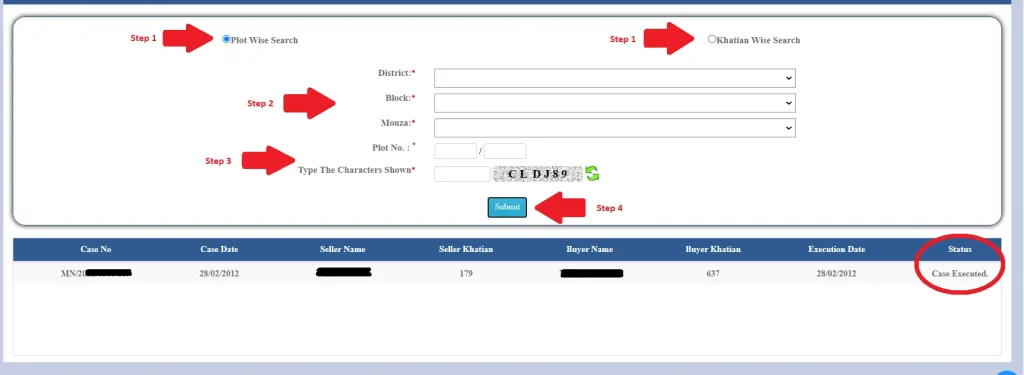
How to Check Land Conversion Status
After submitting a land conversion application, applicants can easily track the progress of their request online through the official Banglarbhumi Portal. This online system helps landowners stay updated on every stage of the approval process without visiting government offices.
Documents Required for Land Conversion
Proper documentation is one of the most important parts of the land conversion process. Incomplete or incorrect documents can lead to delays or rejection of the application.
Below are the essential documents required for land conversion in West Bengal:
Land Ownership Documents
Applicants must provide valid proof of ownership, such as Record of Rights (RoR) or other legal land records. This confirms that the applicant has legal rights over the land and is eligible to apply for land conversion.
Sale Deed
The sale deed acts as legal proof of land purchase and transfer. It helps establish ownership history and confirms the authenticity of the property before conversion approval.
Latest Tax Receipts
Updated land tax receipts (Khajna records) are required to confirm that all government dues related to the land have been cleared and there are no pending liabilities.
Land Classification Certificate
This document confirms the current classification of land such as agricultural, residential, or commercial. It is essential for verifying whether the land is eligible for conversion.
No Objection Certificate (NOC)
In certain cases, a No Objection Certificate (NOC) is required from relevant authorities or institutions. It ensures there are no legal, environmental, or administrative objections to the proposed land conversion.
Legal Framework Governing Land Conversion
The legal framework governing land conversion ensures that land is used in a controlled, lawful, and planned manner. It plays an important role in maintaining balance between agricultural protection and urban development.
Legal Compliance
Using agricultural land for non-agricultural purposes without official approval is strictly prohibited. Unauthorized construction can lead to penalties, fines, or even demolition of structures. This rule ensures that all land-use changes are properly documented and legally valid.
Urbanization
As cities and towns continue to expand, there is increasing demand for residential, commercial, and infrastructure development. Land conversion allows agricultural land to be legally repurposed for urban growth and planned development.
Development Opportunities
Proper land classification helps unlock government approvals, permits, and financial support for builders and developers. This enables smooth execution of residential and industrial projects.
Value Addition
Once land is legally converted, its market value increases significantly. It also becomes eligible for insurance and investment opportunities, benefiting landowners and investors.
In short, the legal framework ensures structured development while protecting land laws and promoting economic growth.
Land Conversion Application Process
The land conversion process follows a structured legal procedure to ensure transparency, verification, and compliance with government regulations.
Application Submission
The landowner must submit a formal application to the Revenue Division or authorized land conversion authority. This can be done online through the state land portal or offline at the local Tehsildar office.
Required Documents
Applicants must provide essential documents such as:
- Land ownership records
- Sale deed or transfer documents
- Obstruction certificate (if applicable)
- Latest land tax receipts
- Land classification certificate
- No Objection Certificate (NOC), if required
Confirmation and Verification
After submission, authorities verify all documents and conduct a physical inspection of the land. The land must:
- Be legally eligible for conversion
- Have no ownership disputes
- Be free from environmental or legal restrictions
Fee Payment
A one-time conversion fee is charged based on land type, size, and purpose. Payment is mandatory for processing the application further.
Approval and Conversion Order
If all conditions are satisfied, the authority issues an official conversion order. This changes the land classification from agricultural to non-agricultural use.
After approval, land records are updated to reflect the new status, ensuring legal clarity for future transactions.
This structured process ensures proper legal verification and transparent land management.
Common Challenges in Land Conversion
Applicants often face several challenges during the land conversion process due to administrative, legal, or technical issues.
Administrative Delays and Red Tape
In some areas, slow processing and lack of digital infrastructure may cause delays. Corruption or unofficial practices can also create complications.
Ownership Disputes
Unclear or disputed land ownership is one of the most common reasons for rejection or delay of applications.
Environmental Restrictions
Land located in protected areas such as forests, wetlands, or eco-sensitive zones cannot be converted due to environmental laws.
Best Practices for a Smooth Land Conversion Process
Following proper guidelines can help ensure a smooth and successful land conversion application.
Avoid Delays in Processing
Land conversion may take time, especially in rural areas. Keep documents ready in advance to reduce delays.
Ensure Clear Ownership Title
Make sure the land title is legally valid and free from disputes or legal issues before applying.
Follow Local Master Plans
Check zoning and development plans to ensure land conversion aligns with government regulations.
Consult Experts if Needed
For complex or large projects, a legal consultant can help avoid mistakes and legal risks.
Maintain Proper Documentation
Keep digital and physical copies of all documents, receipts, and records for future use.
Track Application Regularly
After submission, regularly check your application status on the official portal to ensure timely updates and quick response to any issues.
Eligibility Criteria, Processing Timeline, Post-Approval Process & Rejection Reasons
Before applying for land conversion in West Bengal, it is important to understand who can apply, how long the process takes, what happens after approval, and why applications may get rejected. This ensures a smoother and more successful application process through the Banglarbhumi portal.
1. Eligibility Criteria for Land Conversion
Not all land and applicants are eligible for conversion. The application must meet specific legal and administrative conditions:
Who can apply:
- Legal landowners holding valid ownership records (RoR/Khatian)
- Power of Attorney holders with proper authorization
- Inherited property holders with updated mutation records
Eligible land types:
- Agricultural land intended for residential, commercial, or industrial use
- Homestead land where classification change is required
- Non-protected rural and municipal land approved under local planning rules
Non-eligible land types:
- Government-acquired or government-vested land
- Land under legal dispute or pending court cases
- Forest land, wetlands, or environmentally protected zones
- Land restricted under regional zoning or master plans
👉 Only land with clear legal ownership and permissible land-use classification can be converted.
2. Processing Timeline (Step-by-Step Duration)
The land conversion process is not instant and typically goes through multiple verification stages. The overall timeline may vary depending on land type and location:
Stage-wise process:
- Application submission: Immediate
- Initial document verification: 7–15 days
- Field inspection and survey: 15–30 days
- Record matching and legal review: 30–60 days
- Final approval and order issuance: 45–90+ days
👉 On average, the complete land conversion process may take 1 to 3 months, but in rural or disputed cases, it can take longer due to additional verification.
3. After Approval Process
Once the land conversion application is approved, several important updates and legal changes take place:
- Official conversion order is issued by the revenue authority
- Land classification is updated from agricultural to non-agricultural use
- Mutation records are updated in the land database
- Record of Rights (RoR/e-Porcha) is revised to reflect new land status
- The land becomes legally eligible for residential, commercial, or industrial development
👉 After approval, the land gains full legal status for its new purpose and can be used for construction, sale, or development activities.
4. Common Rejection Reasons in Land Conversion
Applications may be rejected if they do not meet legal or technical requirements. The most common reasons include:
- Incorrect or mismatched land records (Khatian/plot details)
- Disputed ownership or ongoing legal cases
- Missing or invalid documents during submission
- Application for restricted land (forest, wetland, government land)
- Non-compliance with zoning or master plan regulations
- Failure in field verification or land inspection
👉 To avoid rejection, applicants must ensure all documents are accurate, updated, and legally valid before submission.
Video Tutorial
FAQs About Land Conversion Application
What is land conversion in West Bengal?
Land conversion is the legal process of changing agricultural land into non-agricultural use such as residential, commercial, or industrial purposes.
How can I apply for land conversion online?
You can apply through the Banglarbhumi portal by selecting Citizen Services → Online Application → Conversion Application and submitting required details.
Who is eligible to apply for land conversion?
Legal landowners, mutation holders, or authorized power of attorney holders with valid land records can apply for conversion.
Which land is not eligible for conversion?
Government land, disputed land, forest areas, wetlands, and environmentally restricted zones are not eligible for conversion.
How long does the land conversion process take?
It usually takes 1 to 3 months depending on verification, inspection, and approval stages, but delays may occur in complex cases.
What documents are required for land conversion?
Key documents include ownership proof, sale deed, tax receipts, land classification certificate, and NOC (if required).
How can I check land conversion status?
You can check status on the Banglarbhumi portal using your plot number or Khatian number under the Conversion Status section.
Why do land conversion applications get rejected?
Applications may be rejected due to incorrect documents, ownership disputes, restricted land type, or mismatch in land records.
What happens after land conversion is approved?
After approval, land records are updated, and the land becomes legally eligible for construction, sale, or development activities.
Is land conversion mandatory for construction?
Yes, agricultural land must be officially converted before any legal construction or non-agricultural use is allowed.
Final Thought
Land conversion in West Bengal is an important legal process that allows agricultural land to be used for residential, commercial, or industrial purposes. It must be completed through the official Banglarbhumi portal by following proper rules and documentation. A successful application depends on accurate land records, complete documents, and compliance with government regulations. Understanding eligibility, processing time, and approval steps helps avoid delays and rejection. Overall, careful preparation ensures a smooth and legally valid land conversion process.